
Living abroad in Ecuador it is the small differences that slowly catch up with you.
In Cuenca, those differences show up in ways you do not always expect.
At first, it is not the big things that stand out. It is the pace of daily life. The way people interact. The way simple tasks take more time and effort than you are used to.
Things that once felt automatic can suddenly require more attention. Getting around, finding what you need, communicating clearly. Even small interactions can feel overwhelming.
Aside from the social differences, the climate is one of the first things people notice.
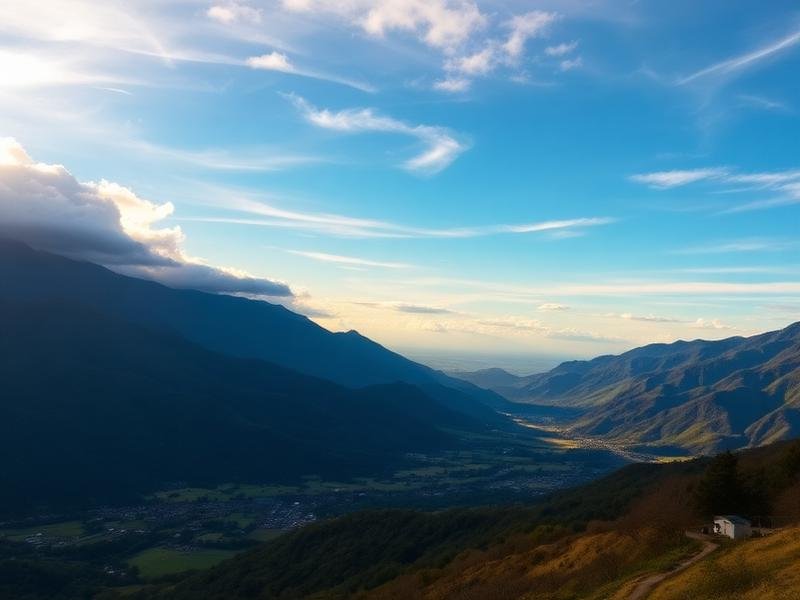
Ecuador is small, but the climate changes largely depending on where you are in the country. The coast tends to be hotter and more humid. The mountains tend to be home to cooler weather. Temperatures can vary not just by region, but even within the same city.
In Cuenca, it is common to experience multiple microclimates throughout the day. You might leave the house in a sweater to handle the morning chill, only to find yourself shedding layers by midday when the sun comes out. It is not unusual for a bit of wind or rain to pass through before the weather shifts again.
Cuenca just doesn’t follow a predictable pattern.
At first, this can be frustrating. You may dress for one type of weather and find yourself uncomfortable later in the day. But over time, you learn to expect it. Most people adjust by dressing in layers and staying flexible. It becomes less about planning for the day and more about being ready for change.
In addition to the frequent changing weather, navigating the city can feel unfamiliar in its own way.
In 2020 Ecuador decided to shut down its postal system. There are no reliable national mail services like USPS. Home delivery is not standard, and sending or receiving packages is not always straightforward. Most people rely on courier services instead.
Even finding a specific address can be confusing. It is common for directions to be given using references instead of exact locations. Nearby landmarks, intersections, or well known places are often used to explain where something is vs a numerical address paired with the street name.
At first, this can feel disorganized.
You may find yourself double checking locations, asking for directions or relying heavily on maps. Even then, it does not always line up perfectly.
Over time, it starts to make more sense. You begin to recognize patterns, understand how directions are given, and get more comfortable navigating without needing everything to be exact.
The more aware you are of that going in, the easier it is to move through it without frustration.