Before coming to Cuenca, I felt like I had a decent understanding of what to expect. I had read enough, watched enough, and talked to enough people to feel prepared.
I had also spent a few years living in Vilcabamba, so I already had a foundation. I wasn’t new to Ecuador and my Spanish was decent. I understood the culture more than most people arriving for the first time.
Even with that, I was still surprised.
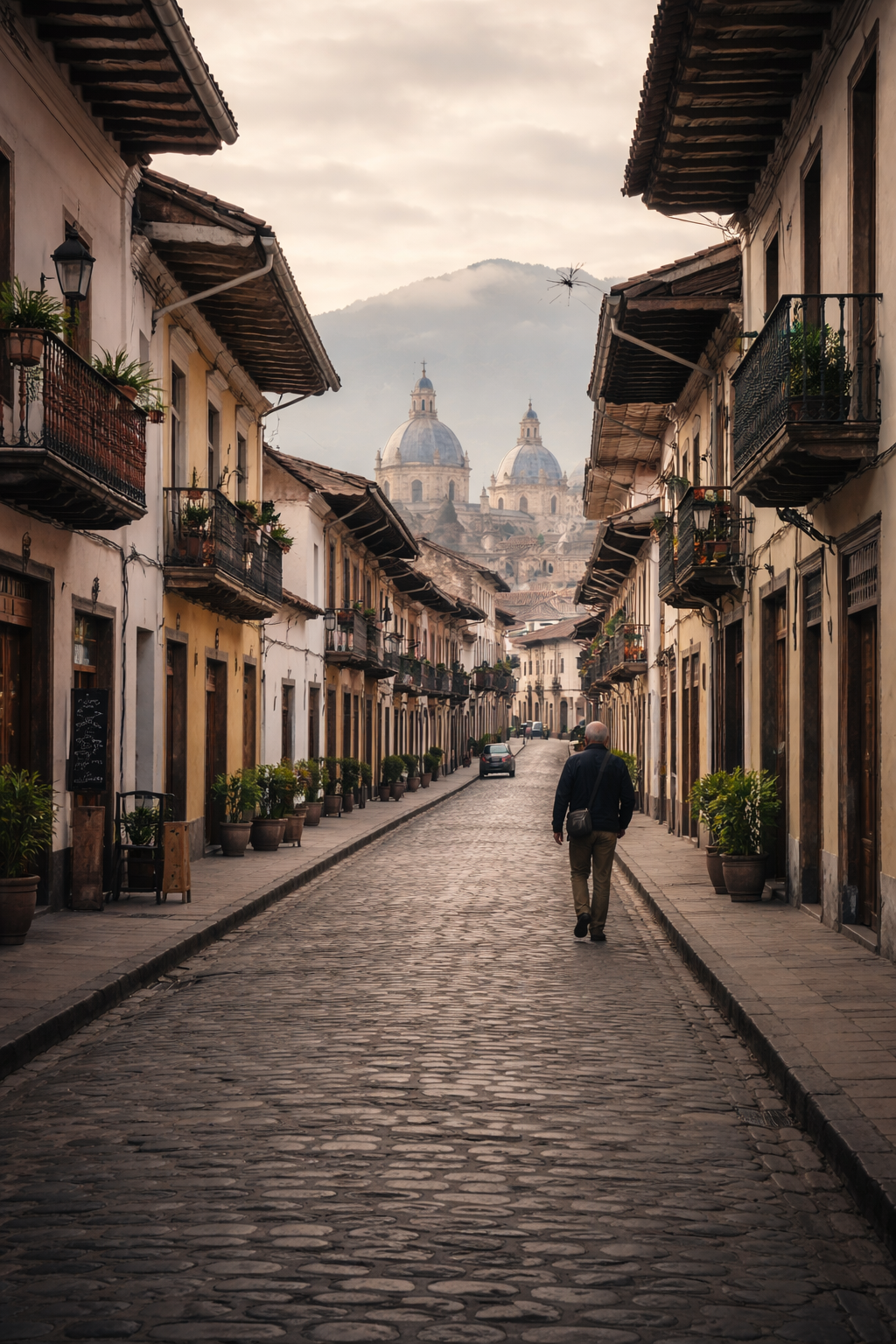
The first thing you notice is not just the beauty of the city. It is the adjustment, the slower pace of life, and the quiet realization that you are a visitor in a place far from home.
Things that once felt simple can take more effort. Getting around, finding what you need, and communicating with the locals all require more attention and patience—on both parts.
What stood out to me most was the social difference. In Cuenca, the locals were more reserved. People were polite, but not necessarily warm. It was not a bad thing nor did I feel entitled to anymore than anyone was willing to give me. It was just a different rhythm.
Unlike the Vilcabambenses (or locals of Vilcabamba), the Cuencanos tend to be more cautious and reserved. They are not quick to open up or engage beyond what is necessary. Conversations stay more contained, and it can take time before anything moves beyond that.
If you are a person who thrives on connection, it can feel isolating pretty early on.
That does not mean something is wrong. It just means you are in a new environment with a different social dynamic.
Over time things begin to settle. You start to recognize faces. You find places you return to. Small interactions become familiar. And little by little, everything starts to soften as you adjust and adapt.
What helps most during that transition is not more information. It is clarity.
Most people arrive with a general idea of what life might look like, but not a clear understanding of how to actually navigate it once they are here. That gap is where frustration builds.
What makes the difference is having some kind of orientation. Not just where to go, but how things actually feel day to day. The pace, the culture, the unspoken norms. These are not things you fully understand through research alone. They are learned through experience.
Ecuador Compass exists to close that gap.
To give people a clearer sense of how things work in practice. What to expect. What to avoid. And how to move through the adjustment period with more confidence and less uncertainty.